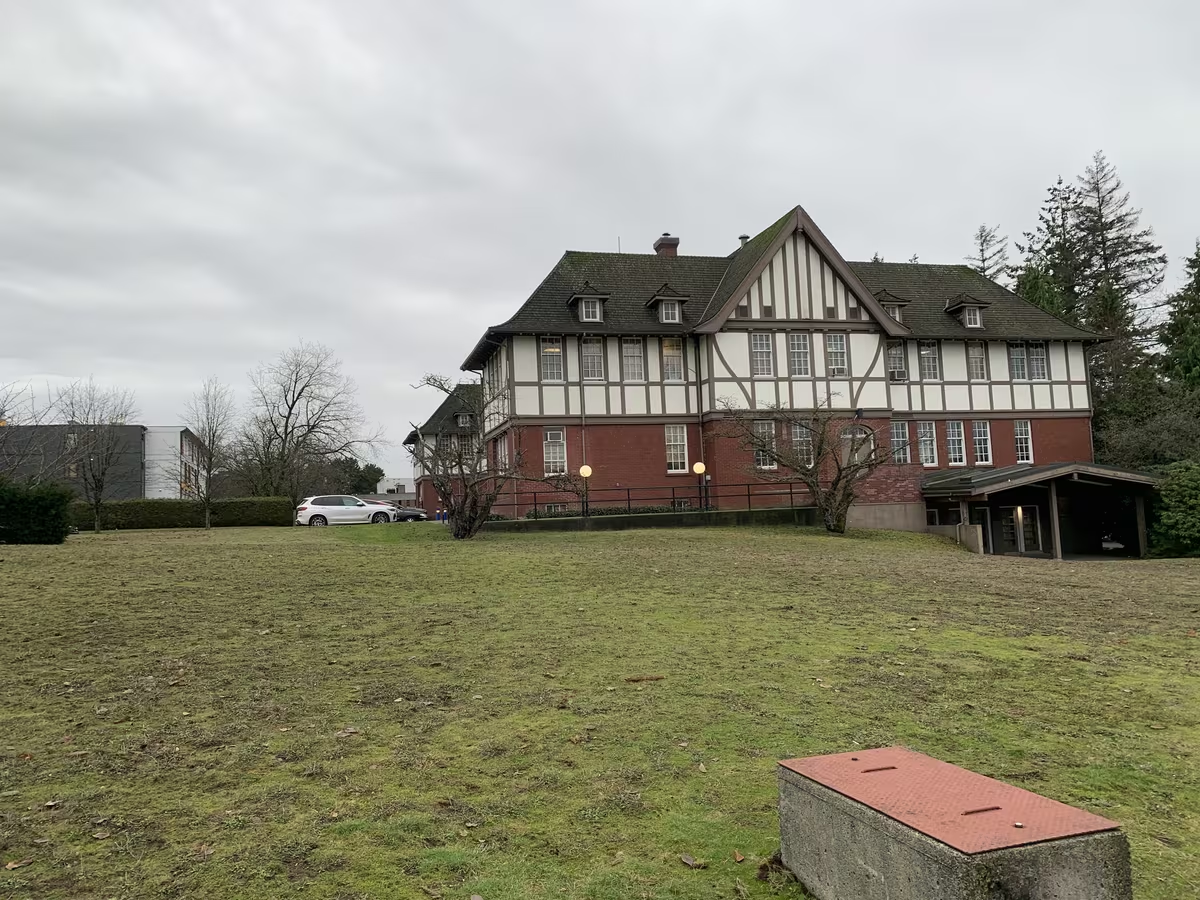
Environmental Services for Heather Lands Redevelopment
| Location | Vancouver, BC |
| Client | MSTA Fairmont (Phase I) Limited Partnership (MSTA) |
| Service | Environmental Site Assessment, Hazardous Materials, Environmental Management, Regulatory Submission, Planning and Liability Costing |
Key Stats
- Multi-phase environmental coordination across complex site
- 2,900 new homes supported through phased approvals
- Determination and Certificates of Compliance
MSTA is a historic partnership of Musqueam Indian Band, Sḵwx̱wú7mesh Úxwumixw (Squamish Nation), Tsleil-Waututh Nation and Aquilini Development. MSTA’s Heather Lands are being developed as part of the province’s Attainable Housing Initiative, which will provide over 2,900 below-market homes to qualifying residents as 99-year leasehold strata units.
Before redevelopment could move forward, the MSTA needed to understand existing conditions on the property and ecological constraints. MSTA was navigating an evolving, multi-phase schedule and delays or misalignment between environmental workstreams could have put the entire project at risk.
PGL supported the redevelopment by providing integrated contaminated sites, environmental planning, and hazardous materials services. Through close coordination with the MSTA and across internal teams, PGL delivered demolition-ready assessments, hazardous materials evaluations, and environmental constraints studies in step with the project’s changing timeline. Regular communication ensured work was sequenced efficiently and redundancies were avoided.
PGL’s approach allowed key environmental risks, such as potential bat habitat, to be identified early and enabled proactive planning rather than costly delays. Regulatory approvals were secured in phases, including a Determination and Certificates of Compliance, which kept the project on track for subdivision and redevelopment.
MSTA is a historic partnership of Musqueam Indian Band, Sḵwx̱wú7mesh Úxwumixw (Squamish Nation), Tsleil-Waututh Nation and Aquilini Development. MSTA’s Heather Lands are being developed as part of the province’s Attainable Housing Initiative, which will provide over 2,900 below-market homes to qualifying residents as 99-year leasehold strata units.
Before redevelopment could move forward, the MSTA needed to understand existing conditions on the property and ecological constraints. MSTA was navigating an evolving, multi-phase schedule and delays or misalignment between environmental workstreams could have put the entire project at risk.
PGL supported the redevelopment by providing integrated contaminated sites, environmental planning, and hazardous materials services. Through close coordination with the MSTA and across internal teams, PGL delivered demolition-ready assessments, hazardous materials evaluations, and environmental constraints studies in step with the project’s changing timeline. Regular communication ensured work was sequenced efficiently and redundancies were avoided.
PGL’s approach allowed key environmental risks, such as potential bat habitat, to be identified early and enabled proactive planning rather than costly delays. Regulatory approvals were secured in phases, including a Determination and Certificates of Compliance, which kept the project on track for subdivision and redevelopment.